


Japan, Australia decline naval escort role as Trump seeks coalition to reopen Strait of Hormuz

- আপডেট সময় : ০৪:৩২:৩৬ অপরাহ্ন, সোমবার, ১৬ মার্চ ২০২৬
- / 75
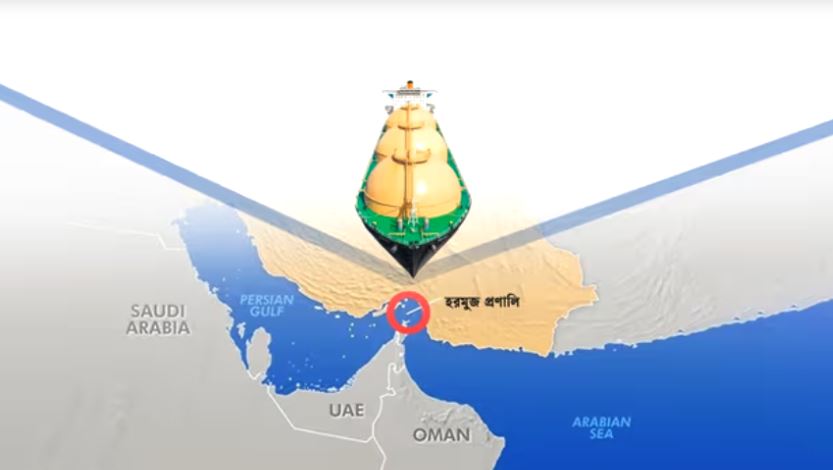
Washington, March 16, 2026 (Reuters) – Japan and Australia said on Monday they do not plan to send naval vessels to escort ships through the Strait of Hormuz, after US President Donald Trump called on allies to form a coalition to reopen the vital energy corridor.
The request comes as the US-Israeli war on Iran enters its third week, disrupting maritime traffic and rattling global energy markets. Trump argued that countries heavily dependent on Gulf oil should take responsibility for securing the strategic waterway, through which roughly 20 percent of the world’s energy supply passes.
“I’m demanding that these countries come in and protect their own territory because it is their territory,” Trump told reporters aboard Air Force One on Sunday while travelling from Florida to Washington. “It’s the place from which they get their energy.”
Dubai International Airport resumes gradual operation after drone attack
Trump said Washington had contacted seven countries about participating in a naval effort but did not specify which governments had been approached. In a social media post over the weekend, he said he hoped China, France, Japan, South Korea and Britain would take part.
Japanese Prime Minister Sanae Takaichi said Tokyo had made no decision to dispatch escort vessels, citing the constraints of Japan’s pacifist constitution.
“We have not made any decisions whatsoever about dispatching escort ships,” Takaichi told parliament. “We are continuing to examine what Japan can do independently and what can be done within the legal framework.”
Australia, another key US ally in the Indo-Pacific, also indicated it would not contribute naval forces.
“We know how incredibly important that is, but that’s not something that we’ve been asked or that we’re contributing to,” Catherine King, a cabinet minister in Prime Minister Anthony Albanese’s government, told the ABC.
EU considers expanding naval mission
European Union foreign ministers are expected to discuss options on Monday to help secure shipping routes in the region, including potentially extending the mandate of the bloc’s Red Sea naval mission.
EU foreign policy chief Kaja Kallas said expanding the role of Operation Aspides — launched in 2024 to protect commercial vessels from attacks by Yemen’s Houthis — could be the quickest way to bolster security in the Strait of Hormuz.
“It is in our interest to keep the Strait of Hormuz open,” Kallas told journalists in Brussels ahead of the meeting.
However, diplomats cautioned that EU member states are unlikely to take an immediate decision on expanding the mission’s mandate. Aspides currently operates three warships from France, Greece and Italy.
Kallas said another possibility could be forming a “coalition of the willing” among interested countries.
German foreign minister does not see role for NATO in Strait of Hormuz
Germany does not see a role for the NATO defense alliance in addressing the blockade of the Strait of Hormuz, said Foreign Minister Johann Wadephul in Brussels on Monday, Reuters reported.
“I don’t see that NATO has made any decision in this direction or could assume responsibility for the Strait of Hormuz. If that were the case, then the NATO bodies would address it accordingly,” said Wadephul ahead of a meeting of the EU Foreign Affairs Council.
He said once there is clarity on the US-Israeli aims it will be time for a phase when “a security architecture for this whole region” is defined, which will entail speaking to Iran, AP reported.
Pressure on China and NATO allies
Trump has also urged China to help restore maritime traffic through the strait, suggesting he may delay a planned visit to Beijing later this month if support is not forthcoming.
“I think China should help too because China gets 90 percent of its oil from the Straits,” Trump told the Financial Timeson Sunday. “We may delay,” he said of the trip if Beijing does not offer assistance.
China’s foreign ministry did not immediately respond to requests for comment.
The US president has also pressed European allies to play a larger role, warning that NATO could face a “very bad” future if member states fail to support Washington.
British Prime Minister Keir Starmer discussed the need to reopen the strait with Trump and Canadian Prime Minister Mark Carney over the weekend, according to Downing Street.
South Korea said it would carefully review the US request.
Although some Iranian vessels have continued transiting the waterway and a limited number of foreign ships have crossed, most global tanker traffic has been disrupted since the United States and Israel launched a large-scale bombing campaign against Iran on February 28, targeting military and nuclear infrastructure across the country.
নিউজটি শেয়ার করুন













 জামায়াতবিরোধী স্লোগানে উত্তাল বায়তুল মোকাররম
ডেঙ্গুতে আরও ১ জনের মৃত্যু, হাসপাতালে ভর্তি ১৩০০
ব্যারিস্টার রফিকুল ইসলাম মিয়া সুস্থ আছেন, মৃত্যু সংবাদটি গুজব
হাম উপসর্গে তিনজনের মৃত্যু, নতুন রোগী ১৩৪৯
চট্টগ্রাম বন্দরের সক্ষমতা বাড়াতে চুক্তি করা হয়েছে: বাণিজ্যমন্ত্রী
হামের মধ্যেই ডেঙ্গুর ভয়াবহ প্রকোপ; চলতি বছর মৃত্যু ২৯৪
অবশেষে দেশে ফিরলো মার্কিন বিমানবাহী রণতরী ‘আব্রাহাম লিংকন’
ইজিবাইকে লিথিয়াম ব্যাটারি চালুর উদ্যোগ নিয়েছে সরকার: অনিন্দ্য ইসলাম
অস্ট্রেলিয়ার কাছে বড় ব্যবধানে হারল বাংলাদেশ
প্রবাসী আয়ে শীর্ষে ঢাকা, সেরা দশে চট্টগ্রামের ছয় জেলা
প্রতিটি স্কুলে উন্নত কম্পিউটার ল্যাব নিশ্চিত করতে হবে : অর্থমন্ত্রী
বিশ্ববাজারে কমল জ্বালানি তেলের দাম
নতুন সরকারও ফ্যাসিবাদের পথে হাঁটছে: সৈয়দ রেজাউল করিম
আরও ট্র্যাক নির্মাণের আশ্বাস অর্থমন্ত্রীর
বিদায় নিচ্ছে মৌসুমি বায়ু, বৃষ্টি হতে পারে আরও দুই দিন
জামায়াতবিরোধী স্লোগানে উত্তাল বায়তুল মোকাররম
ডেঙ্গুতে আরও ১ জনের মৃত্যু, হাসপাতালে ভর্তি ১৩০০
ব্যারিস্টার রফিকুল ইসলাম মিয়া সুস্থ আছেন, মৃত্যু সংবাদটি গুজব
হাম উপসর্গে তিনজনের মৃত্যু, নতুন রোগী ১৩৪৯
চট্টগ্রাম বন্দরের সক্ষমতা বাড়াতে চুক্তি করা হয়েছে: বাণিজ্যমন্ত্রী
হামের মধ্যেই ডেঙ্গুর ভয়াবহ প্রকোপ; চলতি বছর মৃত্যু ২৯৪
অবশেষে দেশে ফিরলো মার্কিন বিমানবাহী রণতরী ‘আব্রাহাম লিংকন’
ইজিবাইকে লিথিয়াম ব্যাটারি চালুর উদ্যোগ নিয়েছে সরকার: অনিন্দ্য ইসলাম
অস্ট্রেলিয়ার কাছে বড় ব্যবধানে হারল বাংলাদেশ
প্রবাসী আয়ে শীর্ষে ঢাকা, সেরা দশে চট্টগ্রামের ছয় জেলা
প্রতিটি স্কুলে উন্নত কম্পিউটার ল্যাব নিশ্চিত করতে হবে : অর্থমন্ত্রী
বিশ্ববাজারে কমল জ্বালানি তেলের দাম
নতুন সরকারও ফ্যাসিবাদের পথে হাঁটছে: সৈয়দ রেজাউল করিম
আরও ট্র্যাক নির্মাণের আশ্বাস অর্থমন্ত্রীর
বিদায় নিচ্ছে মৌসুমি বায়ু, বৃষ্টি হতে পারে আরও দুই দিন