


Israel says it faces first incoming missile from Yemen as war in Middle East intensifies

- আপডেট সময় : ১২:৩৭:২৯ অপরাহ্ন, শনিবার, ২৮ মার্চ ২০২৬
- / 99
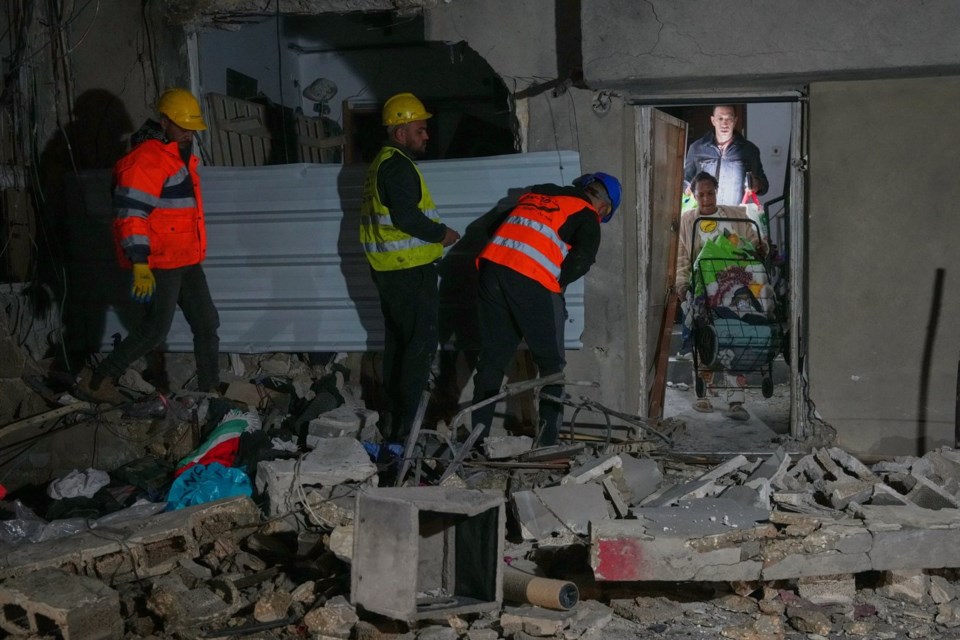
DUBAI, United Arab Emirates, March 28, 2026 (AP) — Israel’s military said Yemen had launched a missile toward Israel early Saturday morning, the first time it had faced fire from that country.
Sirens went off around Beer Sheba and the area near Israel’s main nuclear research center for the third time overnight Friday into Saturday as Iran and Hezbollah continued to fire on Israel overnight.
The Houthis, a rebel group backed by Tehran, have held Yemen’s capital, Sanaa, since 2014. They did not immediately acknowledge launching an attack against Israel.
The Houthis so far had stayed out of the war as the rebels have had an uneasy ceasefire for years with Saudi Arabia, which launched a war against the group on behalf of Yemen’s exiled government in 2015.
Attacks on vessels during the Israel-Hamas war upended shipping in the Red Sea, through which about $1 trillion worth of goods passed each year before the war. The rebels also fired drones at Israel.
Trump weighs sending another 10,000 ground troops to the Middle East, WSJ reports
Israel struck Iran’s nuclear facilities hours after threatening to “escalate and expand” its campaign against Tehran on Friday. Iran vowed to retaliate and struck a base in Saudi Arabia, wounding U.S. service members and damaging planes.
On Friday, Brig. Gen. Yahya Saree, a military spokesman for the Houthis, issued a prerecorded statement outlining several ways the rebels could join the war on behalf of Iran.
“We affirm that our fingers are on the trigger for direct military intervention in any of the following cases,” Saree said. They included the “continuation of the escalation against the Islamic Republic and the Axis of Jihad and Resistance, as dictated by the theatre of military operations.”
In 2024, the Trump administration launched strikes against the Houthis that ended weeks later. The U.S.-led campaign against the Houthi rebels, overshadowed by the Israel-Hamas war in the Gaza Strip, turned into the most intense running sea battle the Navy had faced since World War II
The possible entrance of the Houthis into the war also called into question whether the rebels will again targeted commercial shipping traveling through the Red Sea corridor. The Houthi rebels attacked over 100 merchant vessels with missiles and drones, sinking two vessels and killing four sailors, from November 2023 until January 2025.
That would cause further chaos in global shipping, which already is reeling from Iran’s stranglehold over the Strait of Hormuz, the narrow mouth of the Persian Gulf through which a fifth of all oil and natural gas once passed.
Prior to the attack from Yemen, there appeared to be a breakthrough as Tehran agreed to allow humanitarian aid and agricultural shipments through the Strait of Hormuz, accepting a request from the U.N. Ali Bahreini, the country’s ambassador to the United Nations in Geneva, said Iran agreed to “facilitate and expedite” such movement.
The vital waterway usually handles a fifth of the world’s oil shipments and nearly a third of the world’s fertilizer trade. While markets and governments have largely focused on blocked supplies of oil and natural gas, the restriction of fertilizer ingredients and trade threatens farming and food security around the world.
“This measure reflects Iran’s continued commitment to supporting humanitarian efforts and ensuring that essential aid reaches those in need without delay,” Bahreini said on the social platform X. The U.N. earlier announced a task force to address the ripple effects that the war has had on aid delivery.
The Iranian attack on Prince Sultan Air Base wounded at least 10 American troops, according to two U.S. officials familiar with the situation. Two of them were seriously hurt, according to one of the officials. Both of the officials spoke on condition of anonymity to discuss sensitive military matters. Several refueling aircraft were damaged.
নিউজটি শেয়ার করুন




















 চিকিৎসাবিজ্ঞানে নোবেল পেলেন তিনজন
প্রিজনভ্যানের তালা খুলে পিচ্চি রাজাকে প্রাইভেটকারে তুলে দেয় পুলিশ
দেড় লাখের বেশি কর্মী নিচ্ছে ইতালি, বাংলাদেশিদের জন্য রয়েছে সম্ভাবনা
১০১ শিক্ষককে বিশেষ সম্মাননা পদক প্রদান করলেন প্রধানমন্ত্রী
বিশ্ববাজারে কমল স্বর্ণের দাম
দুদকের নতুন মামলায় ছেলেসহ গ্রেপ্তার শাজাহান খান
গণমাধ্যমকে নিয়ন্ত্রণ করার ইচ্ছা সরকারের নেই: তথ্যমন্ত্রী
গতি নেই বাংলাদেশ ব্যাংকের ৬০ হাজার কোটি টাকার প্রণোদনায়
শুধু মালদ্বীপ নয়, জলবায়ু পরিবর্তনের প্রভাব বঙ্গোপসাগরজুড়ে
বাংলাদেশকে কৌশলগত অংশীদার হিসেবে দেখতে চায় কানাডা
দুনিয়ার সবচেয়ে ‘সুন্দরী’ খেলোয়াড়ের!
দেশের ছয় বিভাগে বজ্রসহ বৃষ্টি হতে পারে
শিক্ষার্থীদের বিক্ষোভে উত্তাল ফ্রান্স, ৫০০ হাইস্কুলে ক্লাস বন্ধ ঘোষণা
পরিকল্পিত নগরায়ণে মাস্টারপ্ল্যানের উদ্যোগ নেয়া হয়েছে: প্রধানমন্ত্রী
নারীর অংশগ্রহণ ছাড়া গণতন্ত্র টেকসই হবে না: সিইসি
চিকিৎসাবিজ্ঞানে নোবেল পেলেন তিনজন
প্রিজনভ্যানের তালা খুলে পিচ্চি রাজাকে প্রাইভেটকারে তুলে দেয় পুলিশ
দেড় লাখের বেশি কর্মী নিচ্ছে ইতালি, বাংলাদেশিদের জন্য রয়েছে সম্ভাবনা
১০১ শিক্ষককে বিশেষ সম্মাননা পদক প্রদান করলেন প্রধানমন্ত্রী
বিশ্ববাজারে কমল স্বর্ণের দাম
দুদকের নতুন মামলায় ছেলেসহ গ্রেপ্তার শাজাহান খান
গণমাধ্যমকে নিয়ন্ত্রণ করার ইচ্ছা সরকারের নেই: তথ্যমন্ত্রী
গতি নেই বাংলাদেশ ব্যাংকের ৬০ হাজার কোটি টাকার প্রণোদনায়
শুধু মালদ্বীপ নয়, জলবায়ু পরিবর্তনের প্রভাব বঙ্গোপসাগরজুড়ে
বাংলাদেশকে কৌশলগত অংশীদার হিসেবে দেখতে চায় কানাডা
দুনিয়ার সবচেয়ে ‘সুন্দরী’ খেলোয়াড়ের!
দেশের ছয় বিভাগে বজ্রসহ বৃষ্টি হতে পারে
শিক্ষার্থীদের বিক্ষোভে উত্তাল ফ্রান্স, ৫০০ হাইস্কুলে ক্লাস বন্ধ ঘোষণা
পরিকল্পিত নগরায়ণে মাস্টারপ্ল্যানের উদ্যোগ নেয়া হয়েছে: প্রধানমন্ত্রী
নারীর অংশগ্রহণ ছাড়া গণতন্ত্র টেকসই হবে না: সিইসি