


Most Hormuz shipping traffic taken via Omani route – report

- আপডেট সময় : ০১:১০:৪৪ অপরাহ্ন, বুধবার, ১৯ অগাস্ট ২০২৬
- / 27
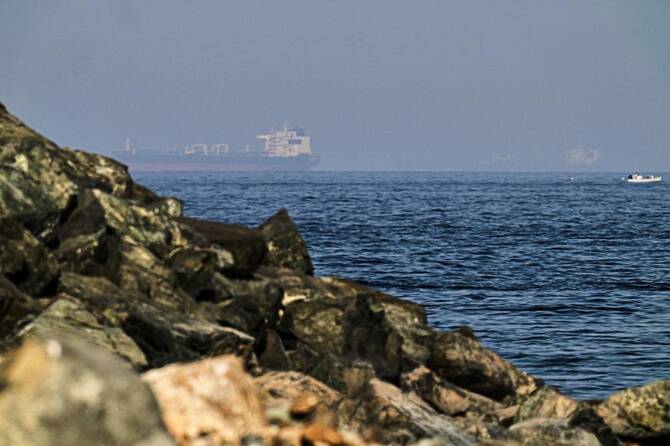
SINGAPORE, Aug 19, 2026 (Arab News) – More than 80 percent of vessel transits through the Strait of Hormuz over the past two weeks have taken the Omani route, a UN-authorized shipping channel, CNN reported, quoting Kpler.
“It increasingly looks like Iran has at least partially lost control of the strait,” said Homayoun Falakshahi, head of crude oil analysis at Kpler, which was in stark contrast a month ago when shipping traffic via the Omani route was non-existent.
The sharp reduction in traffic around Iran’s preferred route has prevented Iran from charging tolls on ship traffic through the strait – as it did in the spring, CNN reported.
“Iran’s request to collect tolls is something that most Middle East folks don’t want to do and haven’t been doing,” said Dan Pickering, founder and chief investment officer at Pickering Energy Partners. “So the Oman route absolutely makes the most sense.”
Iran and Oman for weeks have been discussing the future of navigation through the waterway, with Tehran saying the geographical coordinates of the route envisaged by both countries “have been agreed upon.”
Under the emerging agreement, ships would enter the Arabian Gulf through an Iranian-controlled route and exit through a route controlled by Oman, with service fees charged for providing security and preserving the maritime environment, two regional officials told The Associated Press.
Iran’s top negotiator Mohammad Bagher Qalibaf earlier this week said the strategic waterway will not be opened until the United States meets Tehran’s demands, including lifting a naval blockade.
Shipping through the Strait of Hormuz slowed, data showed on Wednesday, as most shipowners avoided the key waterway because of a lack of clear signaling on its reopening from a blockade during the Iran war.
Six commodity vessels crossed the strait on Tuesday, Kpler data showed by 0258 GMT, down from nine a day earlier and below the 10-day daily average of 11.
Inbound traffic included an empty very large crude carrier that followed the Omani side of the strait, as well as two tankers, one of medium-range and the other intermediate, the data showed.
Two medium-range fuel tankers and a post-Panamax vessel exited the strait.
On Tuesday, US President Donald Trump said no talks were taking place with Iran and insisted the Strait of Hormuz was open, contradicting Iran’s assertion that it remained shut to shipping.
The waterway handled a fifth of the world’s shipments of crude oil and liquefied natural gas before the war.
As security concerns curb oil shipments to the world’s largest importer, two Chinese shipping giants that used to carry half its imports of Middle Eastern oil before the war have kept their tankers out of the Strait of Hormuz and Bab El-Mandeb since late July, say tanker tracker Vortexa and a ship broker.
At the Bab El-Mandeb strait on the Red Sea, where Yemeni Houthis declared a naval blockade on Saudi Arabia on July 20, Kpler data showed 30 weekend transits by commodity vessels, up from 19 in the prior week.
There were no tracked Saudi oil shipments.
নিউজটি শেয়ার করুন












 এবার বাড়ল অটোগ্যাসের দাম
ঢাবির ৫৪তম সমাবর্তনে আসবেন রাষ্ট্রপতি মির্জা ফখরুল ইসলাম আলমগীর
আখতারুজ্জামানের গ্রেপ্তার ‘রাজনৈতিক প্রতিহিংসা’: গোলাম পরওয়ার
১২ কেজি এলপি গ্যাসের দাম বাড়িয়ে ১৮৩৭ টাকা নির্ধারণ
এক বছরের মধ্যে পাল্টে যাবে দেশের পুঁজিবাজারের চেহারা: অর্থমন্ত্রী
জান্তা-আরাকান আর্মির সংঘাতের প্রভাব সরাসরি বাংলাদেশ সীমান্তে: স্বরাষ্ট্রমন্ত্রী
ডেঙ্গুতে একদিনে ৬ মৃত্যু, হাসপাতালে ভর্তি ২০৮৯
হাম উপসর্গে ৩ জনের মৃত্যু, নতুন রোগী ১৩০০
প্রধানমন্ত্রীর সঙ্গে ব্রিটিশ হাইকমিশনারের সাক্ষাৎ
হাসিনাকে ফেরাতে ভারতের রাজনৈতিক সদিচ্ছাও প্রয়োজন: পররাষ্ট্র প্রতিমন্ত্রী
বড়পুকুরিয়া কয়লা খনিতে নিয়োগের দাবিতে শ্রমিকদের মানববন্ধন
মালয়েশিয়ায় প্রথম ধাপে ১০ হাজার শ্রমিক পাঠানোর সিদ্ধান্ত
নির্বাচন কমিশনের প্রধানের পদত্যাগের দাবিতে ভারতে ব্যাপক বিক্ষোভ
পুজোয় শাড়িতে স্লিম লুক! জানুন সহজ কৌশল
মেজর (অব.) আখতারুজ্জামানের জামিন নামঞ্জুর, কারাগারে পাঠানোর নির্দেশ
এবার বাড়ল অটোগ্যাসের দাম
ঢাবির ৫৪তম সমাবর্তনে আসবেন রাষ্ট্রপতি মির্জা ফখরুল ইসলাম আলমগীর
আখতারুজ্জামানের গ্রেপ্তার ‘রাজনৈতিক প্রতিহিংসা’: গোলাম পরওয়ার
১২ কেজি এলপি গ্যাসের দাম বাড়িয়ে ১৮৩৭ টাকা নির্ধারণ
এক বছরের মধ্যে পাল্টে যাবে দেশের পুঁজিবাজারের চেহারা: অর্থমন্ত্রী
জান্তা-আরাকান আর্মির সংঘাতের প্রভাব সরাসরি বাংলাদেশ সীমান্তে: স্বরাষ্ট্রমন্ত্রী
ডেঙ্গুতে একদিনে ৬ মৃত্যু, হাসপাতালে ভর্তি ২০৮৯
হাম উপসর্গে ৩ জনের মৃত্যু, নতুন রোগী ১৩০০
প্রধানমন্ত্রীর সঙ্গে ব্রিটিশ হাইকমিশনারের সাক্ষাৎ
হাসিনাকে ফেরাতে ভারতের রাজনৈতিক সদিচ্ছাও প্রয়োজন: পররাষ্ট্র প্রতিমন্ত্রী
বড়পুকুরিয়া কয়লা খনিতে নিয়োগের দাবিতে শ্রমিকদের মানববন্ধন
মালয়েশিয়ায় প্রথম ধাপে ১০ হাজার শ্রমিক পাঠানোর সিদ্ধান্ত
নির্বাচন কমিশনের প্রধানের পদত্যাগের দাবিতে ভারতে ব্যাপক বিক্ষোভ
পুজোয় শাড়িতে স্লিম লুক! জানুন সহজ কৌশল
মেজর (অব.) আখতারুজ্জামানের জামিন নামঞ্জুর, কারাগারে পাঠানোর নির্দেশ